
 02 9683 5999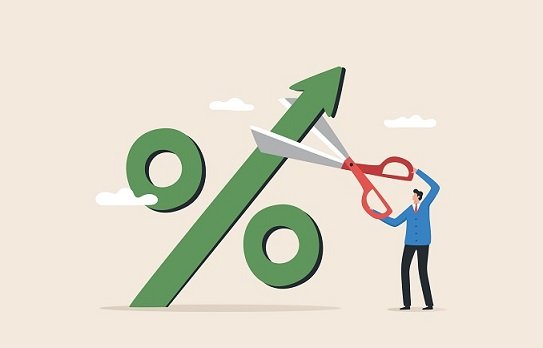
The central bank has had its first 2025 meeting, handing down the cash rate target.
The Reserve Bank of Australia (RBA) has announced its decision on the cash rate target. For the first time since November 2020, the rate has been dropped by 0.25% to 4.10%.
We shouldn’t get our hopes up for a rapid or significant rate cutting cycle in the near term. The RBA is likely to remain alert to the data flows, with persistently tight labour markets, a weak Australian dollar and elevated levels of global uncertainty remaining as downside factors that are likely to keep the loosening cycle a gradual and cautious one.
From a housing perspective, the 25bp cut will provide some modest relief to borrowers, with the average mortgage rate for owner occupier loans set to ease from around 6.32% to 6.07% passed on in full. A variable rate borrower with $750K of debt should see their monthly repayments reduce by around $121/month.
With a cut comes the likelihood of more borrowers looking to purchase property or refinance loans.
Today’s RBA decision to cut interest rates marks a pivotal moment for many borrowers who have been managing higher repayments over the past few years. While we have not seen a significant rise in arrears, more customers are reaching out to their banks for relief – a sign of financial strain that this rate cut may help ease.
In a sign that borrowers are expecting rates to fall further, 96% of loans submitted in January 2025 were for variable rate home loan products.
With inflation finally becoming subdued and unemployment low, the RBA have some ammo to justify a rate drop.
While housing demand remained resilient to affordability constraints in 2024, the pace of home price growth slowed throughout the year. This culminated in small falls over the past two months as the softer end to 2024 carried over into the new year.
Both buyer confidence and borrowing capacities will be boosted now interest rates have begun to fall. As a result, the price falls seen over the past two months are likely to be short lived and may reverse with the slight improvement to affordability and buyer confidence driving renewed demand and price growth.
Housing affordability is at the worst level in three decades which means the price uplift could be more muted compared to previous easing cycles. This rate cutting cycle is expected to be shallow, resulting in the pace of home price growth trailing the strong performance of recent years.